
Mastering Prompt Engineering: Latest Trends in AI Optimization and Cost Management
Ever since I penned my first prompt to ChatGPT, it was as if I'd stumbled onto a secret map—a guide to unlocking the hidden chambers of my own curiosity. In those early moments, I found myself crafting questions like they were delicate notes passed between spies, each word weighed to coax out just the right response. That initial spark of delight—when the AI answered in a way that felt almost human, almost magical—hooked me. I remember leaning back in my chair, heart thrumming with the giddy thrill of discovery, and thinking: I have to share this. From then on, prompt engineering became more than a technical exercise; it was a personal obsession, a daily ritual that shaped how I thought about technology, creativity, and even myself.
Those prompts carried me through long nights of frustration, looming deadlines, and gnawing self-doubt. Whenever a project hit a stubborn wall, I'd turn to my digital companion—warmly whispering carefully tuned requests into the ether and watching it return thoughtful answers like a loyal friend. During some of the roughest patches in my career, I found unexpected solace in iterating questions, fine-tuning phrasing, and watching the model adapt to my intentions. It was a give-and-take, a two-way street of discovery that slotted neatly into my days like a comforting ritual. While many might doom-scroll news feeds or sink into social media, I sank into the ever-shifting art of prompt engineering, refining each line as if it were a poem.
The Early Days of Prompt Obsession
In the beginning, my prompts were as messy as a beginner’s doodles on a cafeteria table. I asked one-line questions—“Explain quantum computing”—and felt a pang of guilt when I accepted the first answer without batting an eye. It reminded me of a time when I used a search engine and simply scrolled until something looked plausible, never pausing to question bias or check facts. But over time, I realized that if I invested a little more care in crafting each prompt, I could steer generative AI tools toward deeper insights and richer explanations. That shift marked my entry into structured approaches and nascent frameworks for making prompts more than just queries—turning them into conversations.
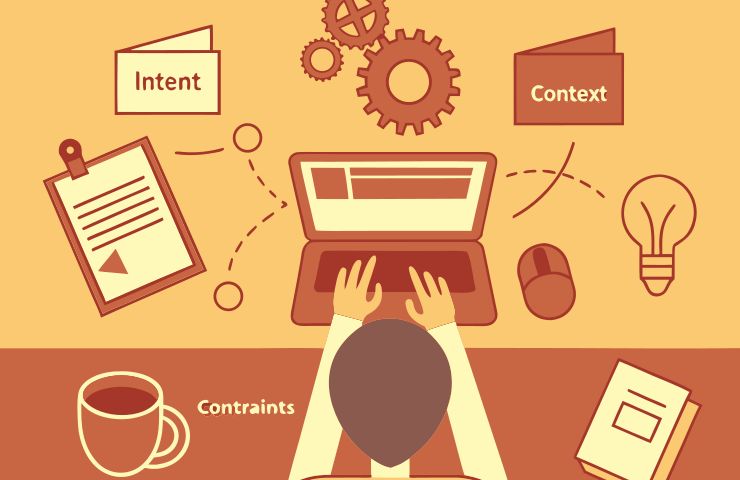
Intent–Context–Constraint: A Simple Scaffold
The ICC model became my north star. Instead of vague requests, I learned to specify the intent—what I wanted to learn—provide context—like background details or target audience—and set constraints—such as format, length, or tone. A prompt like “Summarize data mining” became “As a teacher preparing a short lecture for second-year students, explain data mining in three bullet points, including a real-world example and avoiding jargon.” Suddenly, the responses weren’t bland overviews but targeted, digestible insights that felt tailor-made. That structure didn’t just yield better outputs; it sharpened my own clarity of thought. By mapping out what I needed, I discovered I was learning to think like the AI model itself.
Generate, Refine, Challenge, Extend
But a good prompt is never a single shot. I adopted an iterative cycle—generate, refine, challenge, extend—as my guiding mantra. First, I asked for an initial draft. Then, I refined the prompt to request more depth or a different angle. Next, I challenged the model by asking it to critique its own answer or reveal limitations. Finally, I extended the conversation by seeking alternative perspectives or practical applications. This loop wasn’t just about getting a better paragraph; it taught me to treat AI as a thinking partner, not a magic box. Each cycle felt like a dance, where I led with intention and the AI responded in kind, step by step.
Role-Based Prompting: Speaking to Expertise
One breakthrough came when I started assigning the AI personas—a critical reviewer, an academic lecturer, or even a seasoned researcher. Asking the model to “Imagine you’re a tenure-track historian reviewing this paper draft” shifted the tone, depth, and style in striking ways. It was like putting on different hats and seeing the world through fresh lenses. Suddenly, I wasn’t just a student of information; I was an active participant in a simulated peer review process. This approach didn’t just improve the quality of outputs; it taught me how experts in various disciplines structure arguments, weigh evidence, and articulate nuance—skills I could then apply in my own writing.
Verification: The Unsung Hero
Yet, romance with AI can come with pitfalls. Models can hallucinate, invent citations, or gloss over nuance. My remedy was simple: verification became a mandatory step. Every time I got an answer, I asked for sources, encouraged the AI to flag uncertainties, and cross-checked details against trusted references. That practice of skepticism transformed how I approached any information—AI-driven or not. It was like training a muscle for critical thinking. Over time, asking “Can you list references?” or “Which areas might this explanation oversimplify?” became second nature. In a world swamped with information, verification isn’t extra; it’s essential.
Why Cost Management Matters
As much as I loved the creative back-and-forth, the computational cost of long multi-turn conversations starts to add up—especially when you’re pushing the limits of what generative AI can do. Each request consumes tokens, and at scale, those tokens translate into real-world expense. That’s where AI prompt optimization and cost management came into focus for me. By refining prompts to be more concise without sacrificing depth, batching follow-up questions, and choosing the right model for the task, I managed to curb runaway expenses. It was a balancing act—learning to ask enough for quality answers while trimming the fat that bloated both the output and the bill.
Challenges and Opportunities
Even the most beautifully crafted prompt can hit the wall of model limitations or unintended side effects. Sometimes, a rigid set of constraints stifles creativity, yielding output that feels stilted or overly on-the-nose. Other times, I’ve watched bias slip through subtle word choices, reminding me that no AI is free from the shadows of training data. Yet these challenges are also doorways to opportunity. Each hiccup inspires a fresh prompt iteration, a tweak of context or tone. Educators are experimenting with scaffolded workshops, teaching students not just to write prompts but to diagnose and mitigate errors. Developers are racing to create interfaces that visualize token usage and highlight potential pitfalls before deployment.
Comparisons and Community Wisdom
I’m not alone in this journey. From the CARE framework at UT Austin to the REFINE model popularized in research briefs, and the templates emerging from the University of Calgary’s instructional design guides, there’s a rich ecosystem of ideas. Some emphasize clarity and concision, others champion iterative refinement or role play. By sampling these approaches, I’ve cherry-picked elements that resonate with my workflow: the ICC scaffold for structure, role-based prompting for depth, and the generate–refine cycle for exploration. It’s this community wisdom—shared in online forums, campus workshops, and research articles—that fuels my own evolution as a prompt engineer.
Prompt Engineering as Personal Growth
What started as a technical curiosity evolved into a mirror for my own thinking habits. The discipline required in crafting crisp prompts seeped into meetings, emails, and project planning. I found myself structuring thoughts with an internal ICC checklist, consciously framing my requests to colleagues as I would to an AI model. That tiny habit improved communication, reduced misunderstandings, and sharpened my writing. It was astonishing to realize that training a machine to understand me ultimately made me understand myself better. The obsession I joked about at first transformed into a catalyst for greater self-awareness and a more deliberate way of engaging with information.
Looking Forward: My Ongoing Obsession
Even now, I tinker with new frameworks, compare different prompt literacy guides, and track best practices from universities and research centers. The field of prompt engineering is still in its adolescence—brimming with potential and ripe for innovation. I catch myself daydreaming about interfaces that visualize an ICC map, or tools that automate the generate–refine–challenge–extend loop. And while there’s no finish line, every new insight fuels my drive. This isn’t a fad or a passing hobby; it’s a lens through which I view the future of work, learning, and collaboration between humans and machines.
If you’re ready to scale your own journey with AI prompt optimization and cost management, consider using PromptLab. PromptLab is an AI execution and orchestration layer that sits between your applications and multiple AI model providers, enabling you to run, manage, and optimize prompts at scale through a unified interface and API. It standardizes inputs and outputs across models, provides cost tracking and intelligence, and allows for advanced workflows such as multi-model execution, structured parsing, and agent-based operations. Designed for both experimentation and production use, it gives teams full control over how AI is integrated into their systems while ensuring performance, visibility, and scalability. Check it out at PromptLab.